

How does the variable valve timing system work in engine parts?
The internal combustion engine is a marvel of modern engineering, and one of its most sophisticated components is the variable valve timing (VVT) system. As an established engine parts supplier, I've witnessed firsthand the evolution and importance of VVT systems in enhancing engine performance, efficiency, and emissions control. In this blog post, I'll delve into the inner workings of the variable valve timing system, exploring its mechanisms, benefits, and the role it plays in today's engines.
Understanding the Basics of Engine Valves
Before we dive into the variable valve timing system, let's first understand the role of engine valves. In a typical four - stroke engine, there are intake and exhaust valves. During the intake stroke, the intake valve opens to allow a mixture of air and fuel to enter the combustion chamber. In the exhaust stroke, the exhaust valve opens to let the burned gases exit the chamber. The timing of these valve openings and closings is crucial for the engine's operation.
Traditional engines have fixed valve timing, which means the opening and closing times of the valves are set based on the engine's design and do not change during operation. This fixed timing is a compromise, optimized for a specific engine speed and load condition. However, engines operate under a wide range of conditions, from idle to high - speed acceleration, and a fixed valve timing cannot provide optimal performance across the entire operating range.
How Variable Valve Timing Works
The variable valve timing system addresses this limitation by allowing the engine to adjust the timing of the valve openings and closings according to the engine's operating conditions. There are several different types of VVT systems, but they generally fall into two main categories: cam - phasing and cam - switching.

Cam - Phasing Systems
Cam - phasing systems work by adjusting the angle of the camshaft relative to the crankshaft. The camshaft is responsible for opening and closing the valves, and by changing its position, the timing of the valve events can be altered. A common component in cam - phasing systems is the camshaft phaser.
The camshaft phaser is usually located at the end of the camshaft and is controlled by the engine control unit (ECU). The ECU receives input from various sensors, such as the throttle position sensor, engine speed sensor, and air intake temperature sensor. Based on these inputs, the ECU determines the optimal valve timing for the current operating conditions and sends a signal to the camshaft phaser.
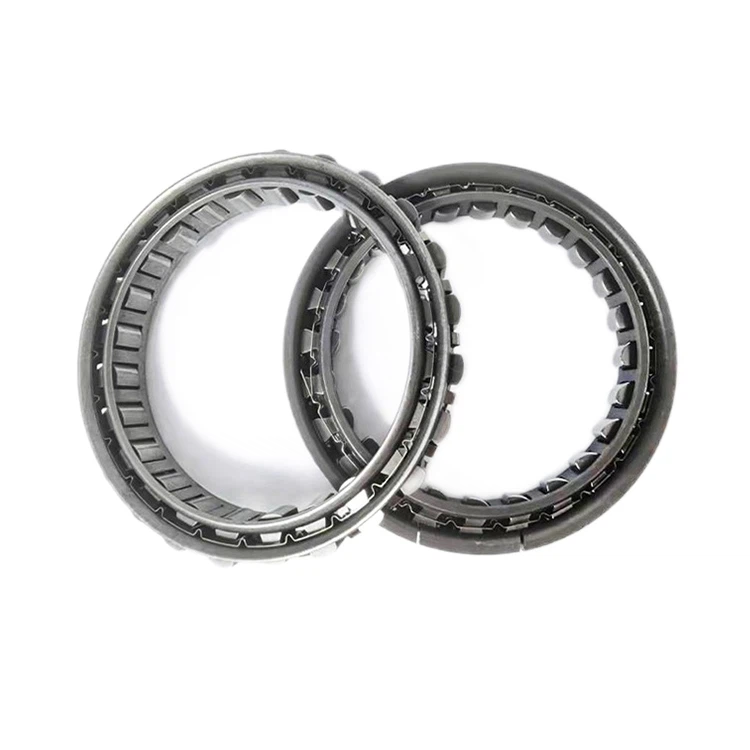
The camshaft phaser uses hydraulic or electric actuators to change the position of the camshaft. In a hydraulic camshaft phaser, engine oil is used to move a piston or vane inside the phaser. When the ECU sends a signal, the oil is directed to either advance or retard the camshaft. Advancing the camshaft means opening the valves earlier, which can improve low - end torque. Retarding the camshaft delays the valve opening, which can enhance high - end power.
Cam - Switching Systems
Cam - switching systems, on the other hand, use multiple cam profiles on the same camshaft. Each cam profile has a different shape, which results in different valve lift and duration characteristics. At low engine speeds, a cam profile with a shorter lift and duration is used to provide good low - end torque and fuel efficiency. As the engine speed increases, the system switches to a cam profile with a longer lift and duration to generate more power.
The switching mechanism in cam - switching systems can be mechanical or hydraulic. In a mechanical system, a pin or a slider is used to engage different cam profiles. In a hydraulic system, oil pressure is used to move a sleeve or a rocker arm to switch between cam profiles.
Benefits of Variable Valve Timing
The variable valve timing system offers several significant benefits for engines:
Improved Performance
By adjusting the valve timing according to the engine's speed and load, VVT systems can optimize the engine's power output. At low speeds, the system can advance the intake valve opening to increase the amount of air - fuel mixture entering the combustion chamber, resulting in better low - end torque. At high speeds, retarding the intake valve closing can prevent the backflow of the air - fuel mixture, allowing the engine to breathe more freely and produce more power.
Enhanced Fuel Efficiency
VVT systems can also improve fuel efficiency. By adjusting the valve timing, the engine can operate more efficiently under different conditions. For example, at part - throttle conditions, the system can reduce the amount of air - fuel mixture entering the combustion chamber, which reduces fuel consumption. Additionally, by optimizing the combustion process, VVT systems can improve the engine's thermal efficiency.
Reduced Emissions
Variable valve timing plays a crucial role in reducing emissions. By adjusting the valve timing, the engine can achieve more complete combustion, which reduces the amount of unburned hydrocarbons, carbon monoxide, and nitrogen oxides in the exhaust gases. Some VVT systems can also be used to control the internal exhaust gas recirculation (EGR), which further reduces nitrogen oxide emissions.
Our Engine Parts and VVT Systems
As an engine parts supplier, we offer a wide range of components related to variable valve timing systems. For example, our Original Piston Ring Set is designed to work in harmony with VVT - equipped engines. These piston rings ensure proper sealing in the combustion chamber, which is essential for the efficient operation of the engine and the effectiveness of the VVT system.
Our Connecting Rod Bearing Shell is another critical component. It provides smooth and reliable operation of the connecting rod, which is part of the engine's reciprocating motion. A well - functioning connecting rod bearing shell is necessary for the engine to operate smoothly, especially when the VVT system is making adjustments to optimize performance.

In addition, for Yamaha engines, we offer the Gear Bearing for Yamaha. This gear bearing is specifically designed to meet the high - performance requirements of Yamaha engines, including those with variable valve timing systems. It ensures the proper functioning of the engine's gears, which are often involved in the operation of the VVT system.
Contact Us for Your Engine Parts Needs
If you're in the market for high - quality engine parts, including those related to variable valve timing systems, we're here to help. Our team of experts has extensive knowledge of engine components and can assist you in finding the right parts for your specific needs. Whether you're a mechanic, an engine builder, or a vehicle owner, we can provide you with the parts and support you require.
Contact us today to start a discussion about your engine parts procurement. We look forward to working with you to ensure your engines operate at their best.
References
- Heywood, J. B. (1988). Internal Combustion Engine Fundamentals. McGraw - Hill.
- Stone, R. (1999). Introduction to Internal Combustion Engines. Society of Automotive Engineers.
- Taylor, C. F. (1985). The Internal - Combustion Engine in Theory and Practice. MIT Press.