

How to choose the right Housing Nut?
When it comes to the intricate world of engine components, one often overlooked yet crucial part is the housing nut. As a seasoned housing nut supplier, I've witnessed firsthand the impact that the right housing nut can have on engine performance and longevity. In this blog, I'll share some valuable insights on how to choose the right housing nut for your specific needs.
Understanding the Basics of Housing Nuts
Housing nuts play a pivotal role in securing various engine parts, ensuring that they remain in place and function optimally. They are commonly used in applications such as securing sensors, filters, and other critical components. The design and material of a housing nut can significantly affect its performance, durability, and compatibility with other parts.
One of the primary functions of a housing nut is to provide a tight seal, preventing leaks and ensuring that the component it secures operates efficiently. For example, in the case of a Pressure and Temperature Sensor, a properly chosen housing nut will ensure that the sensor is firmly in place and that there are no leaks that could affect its accuracy.
Factors to Consider When Choosing a Housing Nut
Material
The material of the housing nut is one of the most important factors to consider. Different materials offer varying levels of strength, corrosion resistance, and heat tolerance. Common materials used for housing nuts include stainless steel, brass, and aluminum.
- Stainless Steel: Stainless steel housing nuts are known for their excellent corrosion resistance and high strength. They are suitable for applications where the nut will be exposed to harsh environments, such as high humidity or corrosive chemicals. Stainless steel nuts are also resistant to heat, making them a good choice for high-temperature applications.
- Brass: Brass housing nuts are relatively soft and have good electrical conductivity. They are often used in applications where electrical grounding is required, such as in some sensor installations. Brass nuts are also corrosion-resistant, but they may not be as strong as stainless steel nuts.
- Aluminum: Aluminum housing nuts are lightweight and have good thermal conductivity. They are commonly used in applications where weight reduction is a priority, such as in aerospace or automotive engines. However, aluminum nuts may not be as strong as stainless steel or brass nuts and may require additional protection against corrosion.
Size and Thread Type
The size and thread type of the housing nut must match the component it is intended to secure. Using the wrong size or thread type can result in a loose fit, which can lead to leaks, vibrations, and premature wear of the component.
When selecting a housing nut, it is important to refer to the manufacturer's specifications for the component. These specifications will typically include the required size and thread type of the nut. It is also a good idea to measure the existing nut or the component's threaded opening to ensure a proper fit.
Application Requirements
The specific application requirements will also influence the choice of housing nut. For example, if the nut will be used in a high-vibration environment, a locking nut or a nut with a self-locking feature may be required to prevent it from loosening over time.
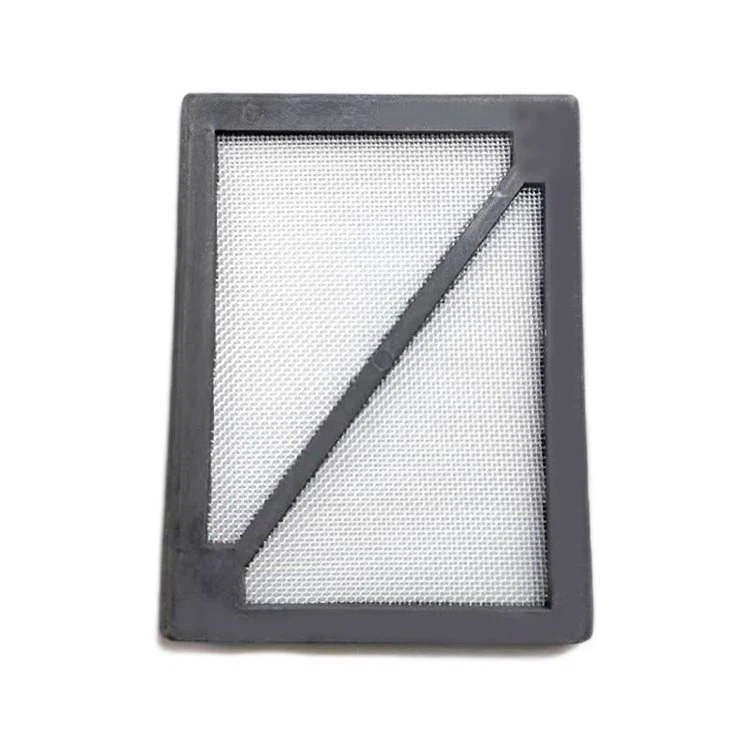
In some applications, such as those involving Sieve for Oil, the housing nut may need to be resistant to oil and other lubricants. In these cases, a nut with a special coating or made from a material that is compatible with the lubricant should be selected.
The Importance of Quality
When it comes to housing nuts, quality should never be compromised. A high-quality housing nut will not only provide a reliable and secure fit but will also have a longer lifespan, reducing the need for frequent replacements.
As a housing nut supplier, I take pride in offering only the highest quality products. Our housing nuts are manufactured to strict standards using the best materials and the latest manufacturing techniques. We also conduct rigorous quality control checks to ensure that each nut meets our high standards of performance and reliability.
Compatibility with Other Components
In addition to considering the material, size, and application requirements of the housing nut, it is also important to ensure that it is compatible with other components in the system. For example, if the housing nut is being used to secure a Throttle Body Spacer Adapter, it must be compatible with the adapter's design and dimensions.
Before making a purchase, it is a good idea to consult with the manufacturer of the component or a knowledgeable engineer to ensure that the housing nut is the right choice for the application. This can help to avoid costly mistakes and ensure that the system operates smoothly and efficiently.
Making the Right Choice
Choosing the right housing nut requires careful consideration of several factors, including material, size, thread type, application requirements, quality, and compatibility with other components. By taking the time to understand these factors and making an informed decision, you can ensure that you select the housing nut that is best suited for your specific needs.
As a housing nut supplier, I am always available to provide expert advice and assistance. Whether you have questions about the different types of housing nuts available, need help selecting the right nut for your application, or have any other concerns, please don't hesitate to contact me. I look forward to working with you to find the perfect housing nut solution for your engine components.
Conclusion
In conclusion, the right housing nut is essential for the proper functioning and longevity of engine components. By understanding the factors involved in choosing a housing nut and making an informed decision, you can ensure that your engine operates at its best. If you are in the market for high-quality housing nuts, I encourage you to reach out to me for a consultation. I am confident that I can provide you with the right housing nut solution for your needs.

References
- Engineering textbooks on engine components and fasteners.
- Manufacturer specifications for various engine parts and sensors.