

How to ensure the compatibility of engine parts?
Ensuring the compatibility of engine parts is a critical aspect for engine performance, longevity, and reliability. As an engine parts supplier, we understand the challenges and importance of providing parts that fit seamlessly with various engines. In this blog, we'll explore the key factors and steps involved in ensuring the compatibility of engine parts, from understanding engine specifications to rigorous testing.
Understanding Engine Specifications
The first step in ensuring compatibility is to have a clear understanding of the engine's specifications. This includes details such as the engine model, make, year of manufacture, and its specific design features. Different engines have unique requirements in terms of size, shape, materials, and operating conditions. For example, a high - performance racing engine will have different tolerance levels and power requirements compared to a standard commuter vehicle engine.
We maintain a comprehensive database of engine specifications, which allows us to cross - reference the parts we supply with the exact requirements of different engines. When a customer approaches us with a need for a specific part, our team of experts reviews the engine's details to ensure that the part we recommend is a perfect match. This database is constantly updated to include new engine models and any changes in specifications over time.
Material Compatibility
The materials used in engine parts play a crucial role in their compatibility. Engine components are exposed to high temperatures, pressures, and chemical reactions. Therefore, the materials chosen must be able to withstand these conditions without degrading or causing damage to other parts.
For instance, the pistons in an engine are typically made of aluminum alloys due to their lightweight and heat - resistant properties. However, if the wrong type of aluminum alloy is used, it may expand or contract at a different rate than the engine block, leading to poor fitment and potentially causing engine failure. Our engineers work closely with material suppliers to source high - quality materials that meet the strict standards for each part. We test the materials for their mechanical properties, chemical resistance, and thermal stability before using them in the production of engine parts.
Precision Manufacturing
Precision manufacturing is essential for ensuring that engine parts fit together correctly. Even the slightest deviation from the specified dimensions can lead to compatibility issues. We use state - of - the - art manufacturing equipment and techniques to ensure the accuracy of our parts.
Computer - Numerical - Control (CNC) machining is one of the primary methods we employ. CNC machines can produce parts with extremely tight tolerances, ensuring that they fit precisely with other components in the engine. For example, the valve seats in an engine must be machined to exact specifications to ensure proper sealing. Any small error in the machining process can result in poor compression, reduced engine performance, and increased emissions.
In addition to machining, we also use advanced quality control measures during the manufacturing process. Each part undergoes multiple inspections to ensure that it meets our high - quality standards. This includes dimensional checks, surface finish analysis, and functional testing.
Design Compatibility
The design of engine parts must be compatible with the overall engine layout. This involves considering factors such as the positioning of mounting holes, the shape of the part to fit within the engine compartment, and the interaction with other components.
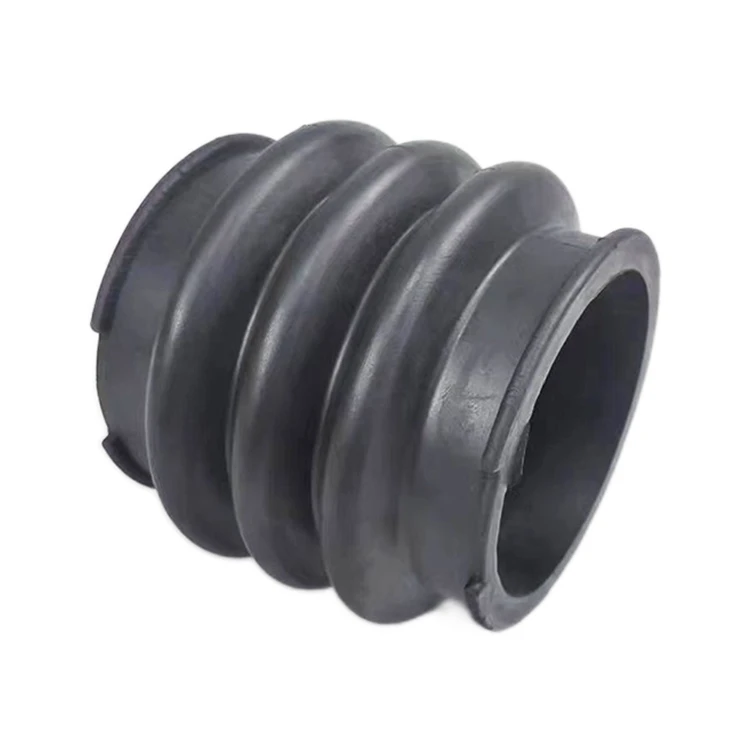
For example, when designing a Carbon Ring Bellows, we need to ensure that it can be easily installed in the engine and that it does not interfere with other parts. The bellows must also be designed to withstand the movement and vibrations of the engine without failing. Similarly, a Head Gasket for Seadoo needs to have the correct shape and size to seal the cylinder head properly and prevent leaks.
Our design team uses computer - aided design (CAD) software to create detailed models of engine parts. These models are then analyzed to ensure that they are compatible with the engine's design. We also conduct virtual simulations to test the performance of the parts under different operating conditions before they are manufactured.
Compatibility Testing
Before our engine parts are released to the market, they undergo extensive compatibility testing. This testing is conducted in both laboratory settings and in real - world applications.
In the laboratory, we use test benches to simulate the operating conditions of the engine. We test the parts for their performance, durability, and reliability under different loads, temperatures, and speeds. For example, we may subject a Jet Ski Half Ring to thousands of cycles of compression and expansion to ensure that it can withstand the harsh conditions in a jet ski engine.
In real - world applications, we work with a network of partners, including engine manufacturers and repair shops, to test our parts in actual engines. This allows us to gather feedback on the performance and compatibility of the parts in real - life situations. Any issues that are identified during testing are carefully analyzed, and the parts are modified or improved accordingly.
Customer Support and Education
As an engine parts supplier, we also play an important role in providing customer support and education. We understand that many customers may not have in - depth knowledge of engine parts and their compatibility. Therefore, we offer comprehensive customer support services to help them make the right choices.

Our customer support team is available to answer any questions that customers may have about our products. We can provide detailed information about the compatibility of different parts with specific engines, as well as installation instructions and maintenance tips.
We also offer educational resources on our website, such as technical articles, videos, and FAQs. These resources are designed to help customers understand the importance of compatibility and how to ensure that they are using the correct parts for their engines.
Supplier Collaboration
Collaboration with other suppliers is another important aspect of ensuring compatibility. We work closely with our raw material suppliers, component manufacturers, and other partners in the supply chain to ensure that all parts are of the highest quality and are compatible with each other.
For example, if we are sourcing a specific type of rubber for a gasket, we work with the rubber supplier to ensure that the rubber has the correct chemical and physical properties. We also collaborate with other component manufacturers to ensure that the parts we receive from them fit seamlessly with our engine parts.
Conclusion
Ensuring the compatibility of engine parts is a complex and multi - faceted process. It requires a deep understanding of engine specifications, careful selection of materials, precision manufacturing, rigorous testing, and effective customer support. As an engine parts supplier, we are committed to providing our customers with high - quality, compatible parts that meet their needs.
If you are in the market for engine parts and want to ensure compatibility, we invite you to reach out to us. Our team of experts is ready to assist you in finding the right parts for your engine. We look forward to discussing your requirements and working together to keep your engines running smoothly.
References
- "Automotive Engine Design", 4th Edition, by David Crolla
- "Fundamentals of Internal Combustion Engines", by John B. Heywood
- Various technical papers from automotive and engine manufacturing industry conferences