

How to improve the GPU cooling system performance?
Hey there, fellow tech enthusiasts! As a supplier in the cooling system game, I've seen firsthand how crucial it is to have a top - notch GPU cooling system. Whether you're a gamer pushing your rig to the limit, a content creator rendering complex projects, or just someone who wants their PC to run smoothly, a high - performance GPU cooling system is a must. So, let's dive into how you can boost that GPU cooling system performance.
1. Clean Your Cooling Components Regularly
Dust is the enemy of any cooling system. Over time, it accumulates on your GPU heatsinks, fans, and other components, acting as an insulator. This means that the heat generated by your GPU can't be efficiently transferred away.
I've had customers come to me complaining about their GPUs overheating, and more often than not, a good cleaning did the trick. You don't need any fancy tools. A can of compressed air is your best friend. Just make sure your PC is turned off and unplugged. Hold the fan blades to prevent them from spinning while you blow the dust out. You can also use a soft brush to gently remove any stubborn dust from the heatsink fins.
If your GPU is really dirty, you might want to take it out of your PC and give it a more thorough cleaning. But be careful when handling it, and make sure you know what you're doing.
2. Upgrade Your Fans
Stock fans that come with GPUs are usually okay, but they might not be the most efficient. Upgrading to high - quality fans can make a significant difference in cooling performance.
Look for fans with high airflow rates and low noise levels. There are a lot of great aftermarket fans on the market. Some fans come with special features like PWM (Pulse Width Modulation) control, which allows the fan speed to be adjusted based on the GPU temperature. This means the fan can spin slower when the GPU is cool, reducing noise, and speed up when it gets hot.
When installing new fans, make sure they are properly aligned and secured. You don't want them wobbling around while they're spinning. And don't forget to check the compatibility of the fans with your GPU and PC case.
3. Improve Airflow in Your PC Case
The overall airflow in your PC case plays a big role in GPU cooling. If the air inside your case is stagnant, the hot air from your GPU can't get out, and the cool air can't get in.
First, you need to make sure your PC case has enough intake and exhaust vents. You might want to add additional intake fans at the front of the case and exhaust fans at the back or top. This creates a negative pressure environment, where the cool air is pulled in from the front and the hot air is pushed out from the back.
Another tip is to organize your cables inside the case. A mess of cables can block the airflow. Use cable ties to keep them tidy and out of the way.
4. Consider Liquid Cooling
Liquid cooling is a more advanced and effective way to cool your GPU. Instead of using air to transfer heat, it uses a liquid coolant.
Liquid cooling systems usually have a radiator, a water block, and a pump. The water block is attached to the GPU, and the coolant absorbs the heat from the GPU. The pump circulates the hot coolant to the radiator, where it is cooled by the fans on the radiator.
There are two types of liquid cooling systems: AIO (All - In - One) and custom loop. AIOs are easier to install and are a good option for beginners. Custom loops offer more flexibility and can provide better cooling performance, but they are more complicated to install and maintain.
If you're considering liquid cooling, make sure your PC case has enough space for the radiator and the other components. And also, check the compatibility of the water block with your GPU.
5. Optimize Your GPU Settings
Your GPU settings can also affect its temperature. If you're running your GPU at very high settings all the time, it will generate more heat.
You can try lowering the graphics settings in your games or applications. This doesn't necessarily mean you'll have a bad visual experience. In many cases, you might not even notice the difference.
You can also use GPU overclocking software to set a custom fan curve. This allows you to adjust the fan speed based on the GPU temperature more precisely. Some GPUs also have power management settings that you can optimize to reduce power consumption and heat generation.
6. Use High - Quality Thermal Paste
Thermal paste is the thin layer of compound that sits between your GPU and the heatsink. It helps to fill in the tiny gaps between the two surfaces, improving heat transfer.
Over time, the thermal paste can dry out or degrade, reducing its effectiveness. So, it's a good idea to replace the thermal paste every once in a while.
When applying thermal paste, you only need a small amount. A pea - sized drop in the center of the GPU die is usually enough. Then, when you attach the heatsink, the thermal paste will spread out evenly.
Product Recommendations
As a cooling system supplier, I've got some great products that can help you boost your GPU cooling system performance. Check out these links:
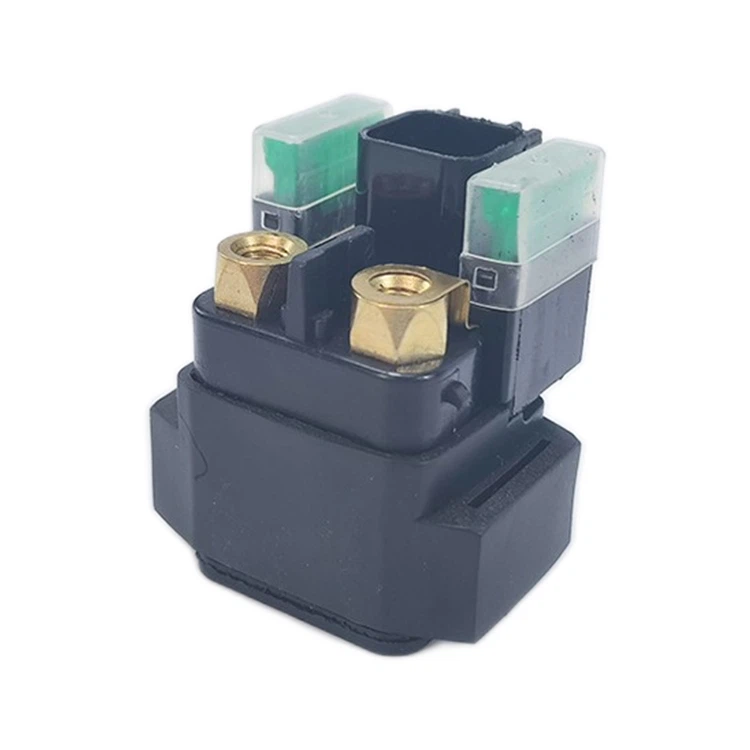

- Starter Relay Yamaha: This is a high - quality starter relay that can ensure the proper functioning of your cooling system.
- Plain Bearing Shell: The plain bearing shell is an important component in many cooling systems, providing smooth operation and durability.
- Intercooler Seadoo: If you're looking for an efficient intercooler for your cooling setup, this is a great option.
Let's Talk Business
If you're interested in improving your GPU cooling system performance or have any questions about our cooling products, I'd love to have a chat with you. Whether you're a small - scale PC builder or a large - scale IT company, we can provide the right cooling solutions for you. Contact us to start the procurement process and take your GPU cooling to the next level.
References
- "PC Hardware Handbook" by Michael L. Miller
- Various online forums and communities like Reddit's r/buildapc and Tom's Hardware for real - world experiences and tips.