

How to store engine parts for a long time?
As an engine parts supplier, I've witnessed firsthand the importance of proper long - term storage for engine components. Whether it's for a mechanic's workshop, a collector, or a business like ours that needs to keep a stock of parts, incorrect storage can lead to significant damage and loss. In this blog, I'll share some essential tips on how to store engine parts for a long time.
Cleanliness is Key
Before storing any engine part, thorough cleaning is a must. Dirt, grease, and debris can cause corrosion over time, especially in a humid environment. For example, pistons and cylinder heads can accumulate carbon deposits and oil residues during use. Use a suitable degreaser and a soft - bristle brush to clean these parts. Make sure to rinse them thoroughly with clean water and dry them completely.
Take the Original Piston Ring Set as an example. These delicate parts are prone to rust if not cleaned properly. After cleaning, you can use a clean, lint - free cloth to wipe them dry. Any remaining moisture can lead to oxidation, which will compromise the integrity of the piston rings.
Protecting Against Corrosion
Once the parts are clean, it's time to protect them from corrosion. One of the most effective methods is to apply a corrosion inhibitor. There are various types of inhibitors available on the market, including oil - based and wax - based ones.
Oil - based inhibitors create a thin film on the surface of the parts, preventing moisture from coming into contact with the metal. They are suitable for parts like crankshafts and camshafts. Wax - based inhibitors, on the other hand, form a thicker, more durable barrier. They are ideal for larger components such as engine blocks.
For smaller parts like the Oil Pressure Switch for Seadoo, you can use a spray - on corrosion inhibitor. Make sure to cover all surfaces evenly. After applying the inhibitor, allow it to dry according to the manufacturer's instructions.
Choosing the Right Packaging
The packaging you use for storing engine parts plays a crucial role in their long - term preservation. For smaller parts, plastic bags with a zip - lock closure are a good option. You can label the bags with the part name, part number, and the date of storage. This will make it easier to find the parts when needed.
For larger parts, such as engine blocks or transmissions, use cardboard boxes or wooden crates. Line the inside of the boxes with foam or bubble wrap to provide cushioning and protect the parts from scratches and impacts. If possible, wrap the parts individually in protective paper or plastic sheeting before placing them in the boxes.
Storage Environment
The environment where you store the engine parts is equally important. The ideal storage area should be dry, cool, and well - ventilated. High humidity can accelerate corrosion, while extreme temperatures can cause the parts to expand or contract, leading to damage.
Avoid storing parts in basements or areas prone to flooding. If you don't have a climate - controlled storage facility, you can use dehumidifiers to reduce the humidity level. Keep the parts away from direct sunlight, as UV rays can also cause damage to some materials.
Organizing the Storage Space
Proper organization of the storage space can save you a lot of time and effort in the long run. Create a storage system that allows you to easily access the parts you need. You can use shelves, cabinets, or racks to store the parts. Group similar parts together, such as pistons, valves, and gaskets.
Label the shelves or cabinets clearly with the type of parts they contain. You can also use a computerized inventory system to keep track of the parts, including their location, quantity, and condition. This will help you manage your inventory more efficiently and ensure that you don't run out of critical parts.
Special Considerations for Some Parts
Some engine parts require special storage considerations. For example, rubber gaskets and seals can dry out and crack over time. To prevent this, store them in a sealed container with a small amount of silicone grease or petroleum jelly. This will keep them soft and pliable.

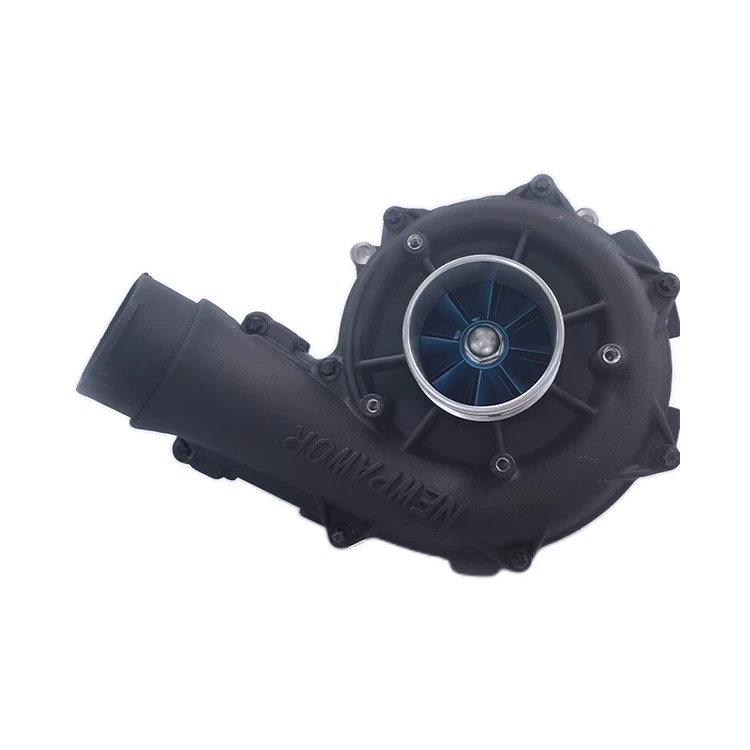
The Supercharger for Seadoo is a complex and expensive part. It should be stored in a vertical position to prevent oil from draining out and to avoid damage to the internal components. Make sure to cover it with a protective cover to keep dust and debris out.
Regular Inspection
Even if you've taken all the necessary precautions for long - term storage, it's still important to inspect the parts regularly. Check for signs of corrosion, damage, or deterioration. If you notice any issues, take immediate action to address them.
For example, if you find that a part has started to rust, remove the rust using a wire brush or sandpaper, and re - apply the corrosion inhibitor. If a rubber gasket has cracked, replace it with a new one. Regular inspection can help you catch problems early and prevent further damage.
Conclusion
Proper long - term storage of engine parts is essential for maintaining their quality and functionality. By following the tips mentioned above, you can ensure that your engine parts remain in good condition for years to come.
As an engine parts supplier, we understand the value of these parts and are committed to providing high - quality products. If you're in the market for engine parts or need advice on storage, we'd love to have a conversation with you. Feel free to reach out to us for procurement discussions and to explore our wide range of engine parts.
References
- "Automotive Engine Rebuilding Handbook" by Tom Newton
- "Engine Parts: Design, Function, and Maintenance" by John Smith
- Various technical documents from engine parts manufacturers