

What are the functions of the cam followers in engine parts?
The cam follower is a critical component within an engine, playing a pivotal role in translating the rotary motion of the camshaft into linear motion to operate various engine parts. As an established engine parts supplier, we understand the importance of cam followers and their functions in the overall performance of an engine. In this blog, we will delve into the functions of cam followers in engine parts and how they contribute to the smooth operation of engines.
1. Transmitting Motion
One of the primary functions of cam followers is to transmit motion from the camshaft to other engine components. The camshaft, which is driven by the engine's crankshaft, has a series of cams with irregular shapes. As the camshaft rotates, these cams push against the cam followers. The cam followers, in turn, transfer this motion to other parts such as valves or fuel injectors.
For example, in a valve - train system, the cam follower moves up and down in response to the rotation of the cam. When the cam lobe pushes against the cam follower, it causes the follower to move linearly. This linear motion is then used to open and close the engine's valves at the appropriate times during the engine's intake, compression, power, and exhaust strokes. Without this precise motion transfer, the engine would not be able to intake air - fuel mixture, compress it, ignite it, and expel the exhaust gases efficiently.
2. Ensuring Precise Timing
Precise timing is crucial for the proper functioning of an engine. Cam followers help in maintaining the correct timing of valve opening and closing. The shape and profile of the cam on the camshaft are carefully designed to determine when and how far the valves should open. The cam follower accurately follows the contour of the cam, ensuring that the valves open and close at the exact moments required by the engine's operating cycle.
In a multi - cylinder engine, each cylinder has its own set of valves that need to be opened and closed in a specific sequence. The cam followers play a vital role in synchronizing these valve operations. If the timing is off, it can lead to poor engine performance, reduced power output, increased fuel consumption, and even engine damage. For instance, if the intake valve opens too early or closes too late, the air - fuel mixture may not be properly compressed, resulting in a weak combustion process.
3. Reducing Friction and Wear
Cam followers are designed to reduce friction between the camshaft and the components they actuate. They are often made from materials with low friction coefficients and are engineered to withstand high - pressure and high - speed operations. Many cam followers have a roller or a needle - bearing design.
A roller cam follower, for example, has a roller that rolls along the cam surface instead of sliding. This rolling action significantly reduces friction compared to a sliding contact. By reducing friction, the cam follower not only improves the efficiency of the engine but also reduces wear on both the cam and the follower itself. Less wear means a longer service life for the engine components, reducing the frequency of maintenance and replacement.
Moreover, some cam followers are equipped with lubrication channels or are designed to work in an oil - filled environment. The lubrication further reduces friction and helps in dissipating the heat generated during operation. This is especially important in high - performance engines where the camshaft and cam followers operate at high speeds and under heavy loads.
4. Absorbing Shock and Vibration
Engines generate a significant amount of shock and vibration during operation. Cam followers act as a buffer between the camshaft and the other engine parts, absorbing some of these shocks and vibrations. The design of the cam follower, along with its mounting and support structure, helps in dampening the impact forces.
For example, in a diesel engine, the combustion process is more explosive compared to a gasoline engine. This results in higher shock loads on the valve - train components. The cam followers are designed to handle these increased loads and prevent the transmission of excessive shock to other parts of the engine. By absorbing shock and vibration, the cam followers help in protecting the engine from damage and also contribute to a smoother and quieter engine operation.
5. Adapting to Different Engine Designs
There are various types of cam followers available, each designed to suit different engine designs and applications. For instance, in overhead cam (OHC) engines, the cam followers are located closer to the valves, allowing for a more direct transfer of motion. In push - rod engines, the cam followers are used to transfer motion from the camshaft to the push - rods, which then actuate the valves.

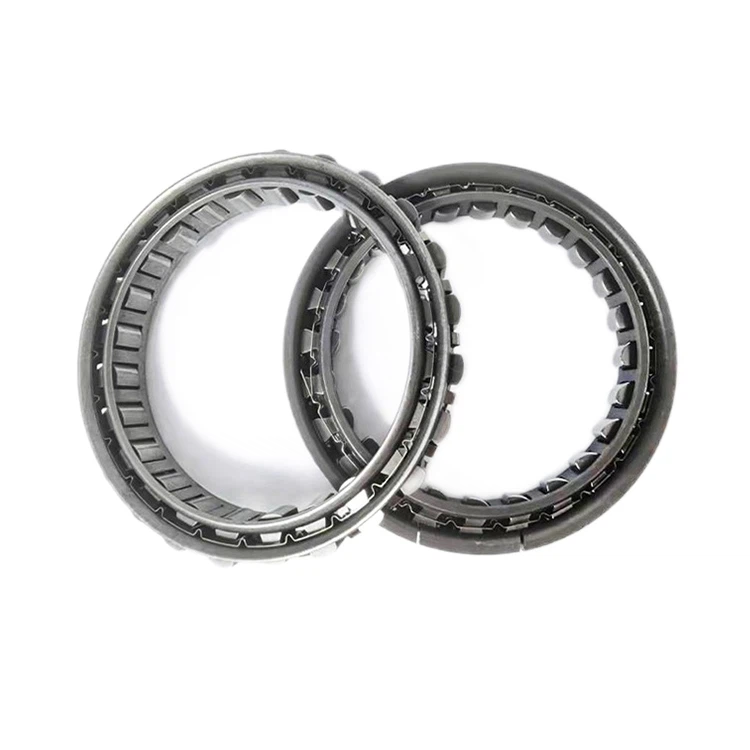
Different engine sizes and power requirements also influence the choice of cam followers. High - performance engines may require cam followers with larger contact areas or more robust designs to handle the increased loads. On the other hand, small, fuel - efficient engines may use lighter and more compact cam followers to reduce weight and improve efficiency.
Related Engine Parts
As an engine parts supplier, we offer a wide range of engine components that work in conjunction with cam followers. For example, the Gear Bearing for Yamaha is an essential part that helps in the smooth rotation of gears in the engine, which is often related to the camshaft's drive system. The Valve Spring Retainer is used to hold the valve spring in place, ensuring that the valve returns to its closed position after being opened by the cam follower. And the Sieve for Oil is crucial for filtering the engine oil, which lubricates the cam followers and other moving parts.
Conclusion
In conclusion, cam followers are indispensable components in engine parts. Their functions of transmitting motion, ensuring precise timing, reducing friction and wear, absorbing shock and vibration, and adapting to different engine designs are all essential for the proper operation of an engine. As an engine parts supplier, we are committed to providing high - quality cam followers and other related engine components to meet the diverse needs of our customers.
If you are in the market for engine parts, including cam followers, and are interested in discussing your specific requirements, we invite you to contact us for a procurement discussion. We have a team of experts who can provide you with detailed information and guidance on choosing the right parts for your engine.
References
- Heywood, J. B. (1988). Internal Combustion Engine Fundamentals. McGraw - Hill.
- Taylor, C. F. (1966). The Internal - Combustion Engine in Theory and Practice. MIT Press.
- Stone, R. (1999). Introduction to Internal Combustion Engines. Society of Automotive Engineers.