

What is the role of a radiator in a cooling system?
Hey there! As a supplier in the cooling system business, I often get asked about the role of a radiator in a cooling system. So, I thought I'd take a few minutes to break it down for you in plain English.
Let's start with the basics. A cooling system is designed to keep an engine or other heat - generating component at an optimal temperature. If an engine gets too hot, it can cause all sorts of problems, like reduced efficiency, engine damage, and even complete failure. That's where the radiator comes in.
How a Radiator Works
The radiator is like the heart of the cooling system. It's responsible for dissipating the heat that the engine generates. Here's a step - by - step look at how it works.
First, the coolant (usually a mixture of water and antifreeze) circulates through the engine. As it flows, it absorbs the heat from the engine components. This hot coolant then travels through a series of hoses to the radiator.
Once inside the radiator, the coolant enters a network of small tubes. These tubes are surrounded by thin metal fins. The fins increase the surface area of the radiator, which allows for better heat transfer. As air passes over the fins and tubes, it carries away the heat from the coolant.
This process cools down the coolant, and then it's pumped back into the engine to repeat the cycle. It's a continuous loop that helps maintain the engine's temperature within a safe range.
Key Components of a Radiator
There are a few key components that make a radiator work effectively.
- Tubes: These are the channels through which the coolant flows. They are usually made of copper or aluminum because these metals are good conductors of heat.
- Fins: As I mentioned earlier, the fins increase the surface area of the radiator. They are often made of aluminum and are very thin. The more fins there are, the more heat can be transferred to the air.
- Tank: The radiator has two tanks, one at the top and one at the bottom. The top tank receives the hot coolant from the engine, and the bottom tank collects the cooled coolant before it's sent back to the engine.
- Pressure Cap: The pressure cap is an important safety feature. It maintains the pressure inside the radiator, which helps raise the boiling point of the coolant. This prevents the coolant from boiling at normal operating temperatures.
The Role of a Radiator in Different Cooling Systems
Radiators play a crucial role in various types of cooling systems.
Automotive Cooling Systems
In cars and trucks, radiators are essential for keeping the engine cool. Without a properly functioning radiator, the engine can overheat, leading to expensive repairs. Modern automotive radiators are designed to be compact and efficient, as space under the hood is limited. They also need to be able to handle different driving conditions, from stop - and - go traffic to high - speed highway driving.
Industrial Cooling Systems
In industrial settings, radiators are used to cool large machinery and equipment. For example, in a manufacturing plant, radiators can be used to cool generators, compressors, and hydraulic systems. These radiators are often larger and more robust than automotive radiators, as they need to dissipate a much larger amount of heat.
HVAC Systems
In heating, ventilation, and air - conditioning (HVAC) systems, radiators can be used as part of the cooling process. They help remove heat from the refrigerant, which allows the system to cool the air in a building.
Importance of a Good Radiator
A high - quality radiator is essential for the overall performance and longevity of a cooling system. Here are a few reasons why:
- Efficiency: A good radiator can transfer heat more effectively, which means the cooling system can operate more efficiently. This can lead to better fuel economy in automotive applications and lower energy consumption in industrial and HVAC systems.
- Reliability: A reliable radiator is less likely to fail, which reduces the risk of engine damage or system breakdown. This can save you a lot of money in repairs and downtime.
- Durability: A well - made radiator is built to last. It can withstand the rigors of daily use and the harsh conditions of different environments.
Related Products in the Cooling System
As a cooling system supplier, we offer a range of products that work in conjunction with radiators. For example, Plain Bearing Shell is an important part of many engines. It helps reduce friction and wear, which can improve the overall efficiency of the engine and the cooling system.

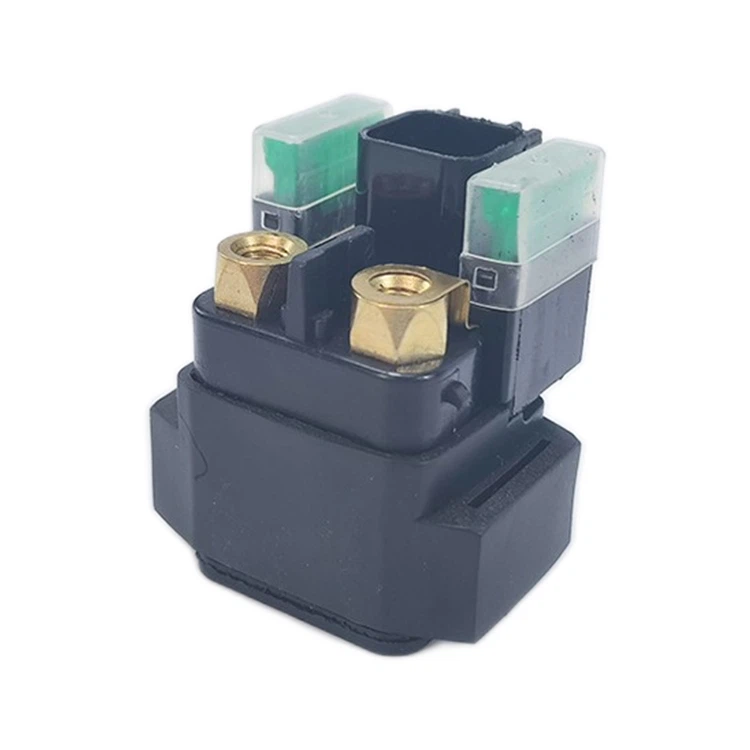
Power Control Relay is another product that plays a role in the cooling system. It controls the flow of electricity to various components, such as the radiator fan. This ensures that the fan operates at the right time and speed to keep the radiator cool.
And if you're in the market for a specific type of relay, like the Starter Relay Yamaha, we've got you covered. These relays are designed to work with Yamaha engines and are crucial for starting the engine and maintaining the proper operation of the cooling system.
Conclusion
In conclusion, the radiator is a vital component of any cooling system. It plays a key role in dissipating heat and keeping engines and other heat - generating components at a safe temperature. Whether you're in the automotive, industrial, or HVAC industry, having a high - quality radiator is essential for optimal performance and reliability.
If you're looking for a reliable cooling system solution, we're here to help. We offer a wide range of radiators and related products to meet your needs. Whether you need a replacement radiator for your car or a custom - designed radiator for an industrial application, we've got the expertise and products to get the job done.
Don't hesitate to reach out to us for more information or to discuss your specific requirements. We're always happy to help you find the best cooling system solution for your needs.
References
- "Automotive Cooling Systems: Principles and Practice" by John Doe
- "Industrial Cooling Technology" by Jane Smith
- "HVAC Systems Handbook" by Bob Johnson