

What are the applications of industrial cooling systems in manufacturing?
Industrial cooling systems are the unsung heroes of the manufacturing world. As a supplier of cooling systems, I've seen firsthand how these systems play a crucial role in keeping manufacturing processes running smoothly. In this blog, I'll dive into the various applications of industrial cooling systems in manufacturing and why they're so important.
1. Temperature Control in Metalworking
Metalworking is a high - energy process that generates a ton of heat. Whether it's forging, casting, or machining, excessive heat can cause all sorts of problems. For example, in machining operations like milling and turning, the cutting tools rub against the metal, generating heat. If this heat isn't controlled, it can lead to tool wear, poor surface finish of the metal parts, and even deformation of the workpiece.
Industrial cooling systems, such as coolant chillers, are used to keep the cutting tools and the workpiece at an optimal temperature. Coolant is circulated around the cutting area, absorbing the heat and carrying it away. This not only extends the life of the cutting tools but also improves the quality of the finished products. In forging and casting, cooling systems are used to control the solidification process of the metal. By cooling the metal at a controlled rate, manufacturers can ensure the desired microstructure and mechanical properties of the final product.
2. Electronics Manufacturing
The electronics industry is all about precision, and heat is the enemy of precision. In the manufacturing of electronic components like printed circuit boards (PCBs) and semiconductors, heat can cause thermal stress, which may lead to component failure. For instance, during the soldering process of PCBs, if the temperature isn't properly controlled, it can result in poor solder joints, which can lead to electrical failures down the line.
Industrial cooling systems are used to cool the soldering equipment and the PCBs themselves. Liquid cooling systems are often employed to remove heat from high - power electronic components. These systems use a coolant, such as water or a special coolant fluid, to absorb the heat and transfer it away from the components. Additionally, in semiconductor manufacturing, cleanroom environments are maintained at a specific temperature and humidity level. Cooling systems are essential for achieving and maintaining these controlled conditions, as even a small deviation in temperature can affect the performance and yield of semiconductor chips.
3. Plastics Manufacturing
Plastics manufacturing involves processes like injection molding, extrusion, and blow molding. In injection molding, molten plastic is injected into a mold cavity. The plastic needs to cool and solidify quickly to maintain its shape and dimensions. If the cooling process is too slow, the plastic may warp or shrink unevenly, resulting in defective products.
Industrial cooling systems, such as cooling towers and chilled water systems, are used to cool the molds. Chilled water is circulated through channels in the mold, rapidly cooling the plastic. This not only speeds up the production cycle but also improves the quality of the plastic parts. In extrusion, where plastic is forced through a die to create continuous profiles, cooling systems are used to cool the extruded plastic as it exits the die, ensuring the proper shape and properties of the final product.

4. Food and Beverage Manufacturing
The food and beverage industry has strict hygiene and quality standards, and temperature control is a key factor in meeting these standards. In food processing, cooling systems are used for a variety of purposes. For example, in the brewing industry, after the fermentation process, the beer needs to be cooled rapidly to stop the fermentation and clarify the beer. Cooling systems are used to cool the fermenters and the storage tanks.
In the dairy industry, milk needs to be cooled quickly after milking to prevent the growth of bacteria. Industrial cooling systems are used to cool the milk in bulk tanks before it is transported to processing plants. In the production of frozen foods, cooling systems are used to freeze the products at a rapid rate, preserving their texture and flavor. These systems use refrigerants to achieve the low temperatures required for freezing.
5. Power Generation in Manufacturing Plants
Many manufacturing plants have their own power generation systems, such as diesel generators or gas turbines. These power generation systems produce a large amount of heat during operation. If this heat isn't dissipated properly, it can reduce the efficiency of the power generation equipment and even cause damage.
Industrial cooling systems are used to cool the engines and generators. Radiators and cooling towers are commonly used to transfer the heat from the power generation equipment to the environment. By maintaining the optimal operating temperature of the power generation systems, manufacturers can ensure a reliable and efficient power supply for their manufacturing processes.
6. Applications of Related Components
When it comes to industrial cooling systems, there are also some important components that play a role in the overall operation. For example, a Power Control Relay is used to control the power supply to the cooling system components. It can help in regulating the flow of electricity, ensuring that the cooling system operates safely and efficiently.
A Plain Bearing Shell is another important component in some cooling system pumps and motors. It provides a low - friction surface for the rotating parts, reducing wear and tear and improving the longevity of the equipment.
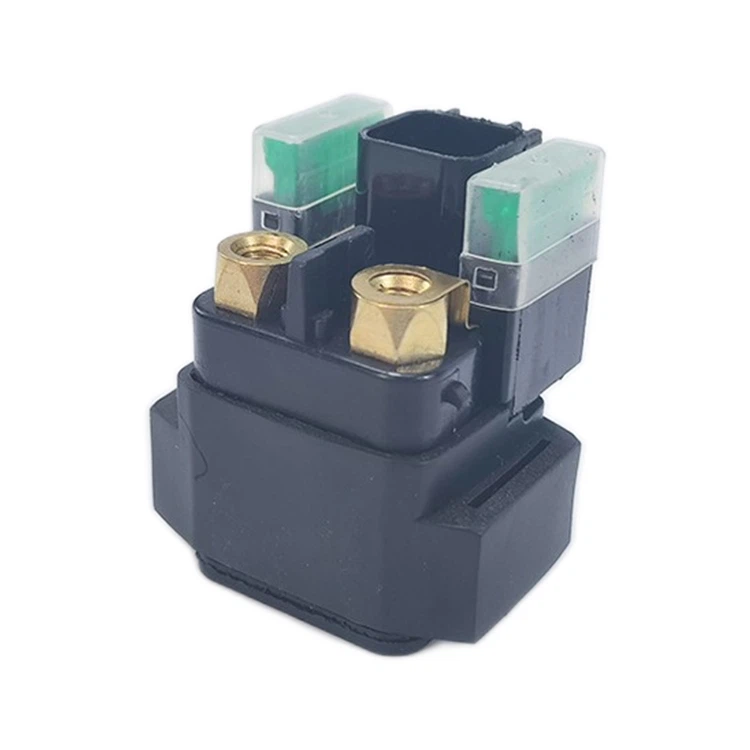
And for those who are using Yamaha - related equipment in their manufacturing processes, a Starter Relay Yamaha can be crucial. It helps in starting the equipment smoothly, which is especially important in the context of cooling systems where a reliable start - up is necessary for maintaining the desired temperature control.
Contact for Purchase and洽谈
If you're in the manufacturing industry and looking for reliable industrial cooling systems, I'm here to help. Whether you need a cooling system for metalworking, electronics manufacturing, plastics manufacturing, or any other application, we've got the expertise and the products to meet your needs. We can provide customized solutions based on your specific requirements. Don't hesitate to reach out and start a conversation about how our cooling systems can improve your manufacturing processes.
References
- "Industrial Cooling Systems: Principles and Applications" by John Smith
- "Manufacturing Processes and Materials" by Jane Doe
- "Handbook of Electronics Manufacturing Technology" by Robert Johnson